Month: June 2021
-

The Arch by Henry Moores
The Arch could be a six-metre tall Roman travertine design situated on the north bank of the Long Water. It was displayed by the craftsman Henry Moore to the country for siting in Kensington Gardens in 1980 – two a long time after his eightieth-birthday show at the Serpentine Display, London. The Arch is made from seven travertine stones weighing a add…
-
Brunswick place gardens – Heritage, history and culture.
We started our journey in search of John Ruskin, who use to live in the camdem area of the Brunswick area he was the one defending lawyer of caroline Brunswick on her adultery charge in 1820. We stumbled across the…
-
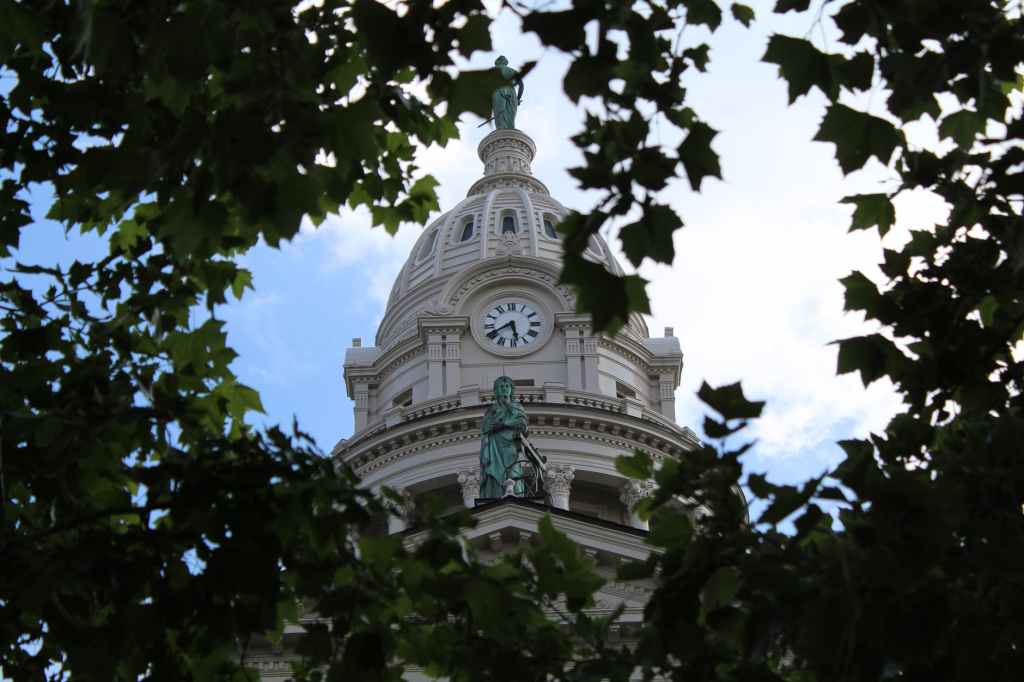
Aeneas, Brutus, Brute of Troy,
Brutus, or Brute of Troy, is a legendary descendant of the Trojan hero Aeneas, known in medieval British history as the eponymous founder and first king of Britain. This legend first appears in the Historia Brittonum, an anonymous 9th-century historical…
-
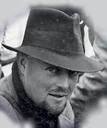
Thomas Charles Llethbridge, – Philosophy, Ethnology and Archaeology.
Thomas Charles Lethbridge (23 March 1901 – 30 September 1971), better known as T. C. Lethbridge, was an English archaeologist, parapsychologist, and explorer. A specialist in Anglo-Saxon archaeology, he served as honorary Keeper of Anglo-Saxon Antiquities at the Cambridge University…
-
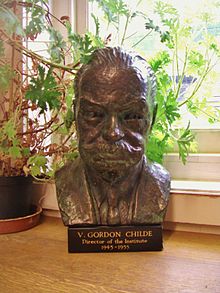
V. Gordon Childe , cultural, historical, archaeologist
Vere Gordon Childe (14 April 1892 – 19 October 1957) was an Australian archaeologist who specialized in the study of European prehistory. He spent most of his life in the United Kingdom, working as an academic for the University of…
-

William Stukeley
William Stukeley FRS FSA (7 November 1687 – 3 March 1765) was an English antiquarian, physician and Anglican clergyman. A significant influence on the later development of archaeology, he pioneered the scholarly investigation of the prehistoric monuments of Stonehenge and…
-
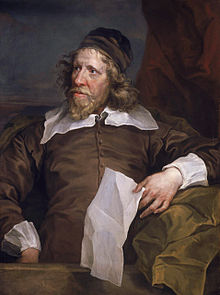
Inigo Jones
Inigo Jones, (born July 15, 1573, Smithfield, London, Eng. —died June 21, 1652, London), British painter, architect, and designer who founded the English classical tradition of architecture. The Queen’s House (1616–19) at Greenwich, London, his first major work, became a…
-

Willard Libby – Hope, efforts, promise for the future and preservation.
True, the initial ideas are in general those of an individual, but the establishment of the reality and truth is in general the work of more than one person. Willard Frank Libby was an American physical chemist noted for his…

