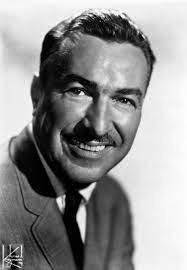


In the turbulent era of the 1960s, civil rights leaders and charismatic orators emerged as beacons of hope and change. Among these influential figures, Adam Clayton Powell Jr. stood tall as a prominent leader, advocate, and orator. On January 10, 1968, Powell spoke at the University of California, Los Angeles (UCLA), delivering a speech that resonated with the audience, and today, we delve into his life, highlighting lesser-known facts about this remarkable individual.
Early Life and Education
Adam Clayton Powell Jr. was born on November 29, 1908, in New Haven, Connecticut. He hailed from a family of activists; his father, Adam Clayton Powell Sr., was an influential pastor and civil rights advocate. However, Adam Jr.’s path to greatness wasn’t always clear. He initially pursued a career in medicine, attending Colgate University and then Columbia University College of Physicians and Surgeons. While at Columbia, he became involved in civil rights activism and later decided to follow in his father’s footsteps by entering the ministry.
1. A Renaissance Man
Beyond his role as a civil rights leader, Powell was a true Renaissance man. He was an accomplished pianist and composer, even releasing a jazz album titled “Music for Adam’s Rib.” His love for music and the arts ran deep, and he often incorporated them into his speeches and sermons, captivating audiences with both his words and his musical talent.
2. A Voice in Congress
Powell’s political journey took him to the United States House of Representatives, where he represented the Harlem district of New York City for over two decades. His election in 1945 marked a turning point as he became the first African American from New York to be elected to Congress.
3. Educational Advocate
While it’s widely known that Powell was a vocal advocate for civil rights, he was equally passionate about education. During his time in Congress, he pushed for increased funding for historically Black colleges and universities, emphasizing the importance of quality education for African American students.
4. The “Powell Amendment”
Powell’s work extended to the realm of media representation. In 1945, he introduced the “Powell Amendment” to the Communications Act, which aimed to prohibit racial discrimination in broadcasting. This amendment laid the groundwork for more equitable media representation.
5. The UCLA Speech
The speech Powell delivered at UCLA on January 10, 1968, was a powerful call to action. It resonated with the audience, rallying them to continue the fight for civil rights and justice. He emphasized the need for unity and nonviolent protest, urging students to be agents of change in their communities.
Legacy and Impact
Adam Clayton Powell Jr. left an enduring legacy in the realms of civil rights, politics, and activism. His multifaceted approach to creating change, coupled with his lesser-known pursuits in music and education, paints a more comprehensive picture of this influential figure. He serves as a reminder that true change requires a combination of passion, determination, and a commitment to justice, and his life and words continue to inspire new generations of activists and leaders.

 Bosses Made Men
Help us improve our community…………….. Tell us how we’re doing?