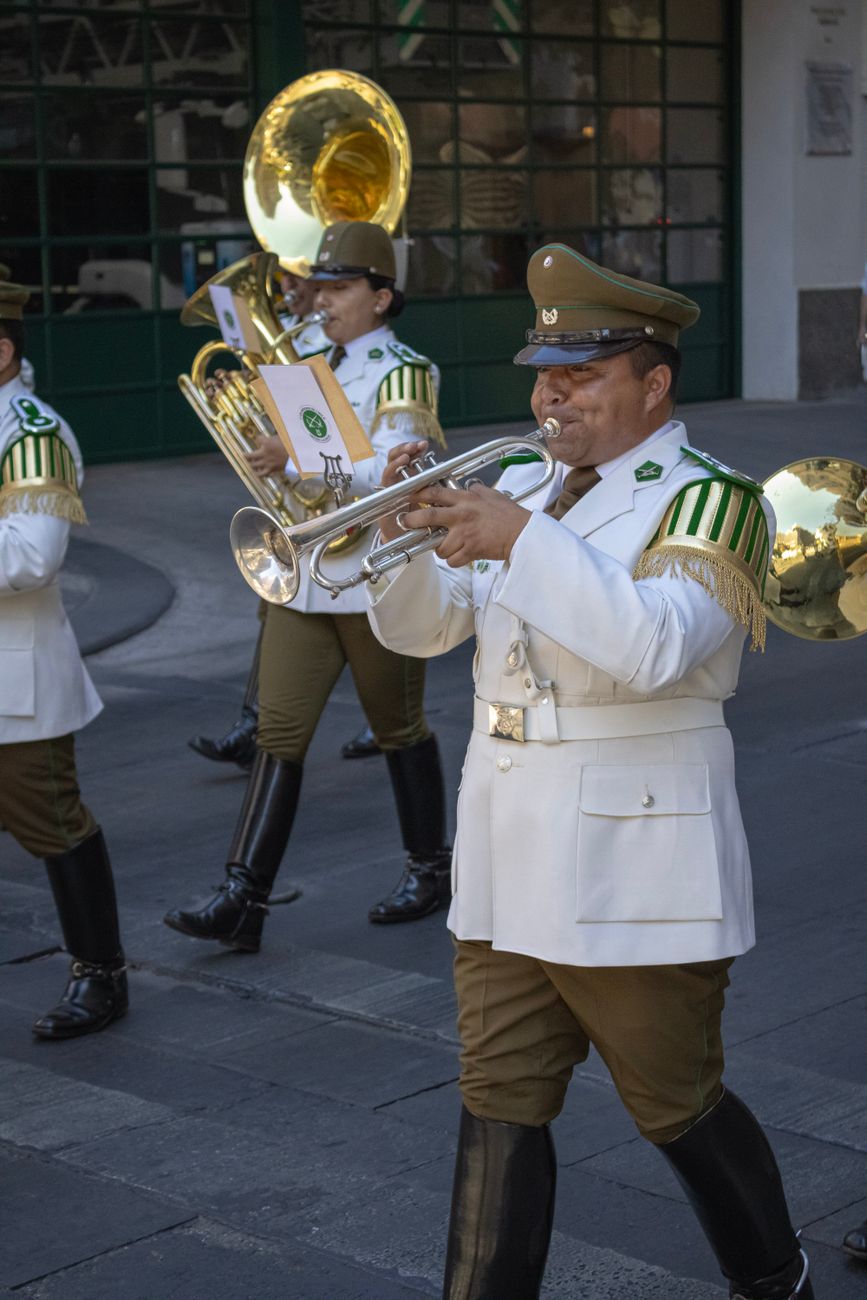


The Power of the Marching Band: From Battlefields to Boosting the Mood
There’s something about a marching band that grabs your attention.
Long before speakers, recorded music and playlists, armies understood that sound could lift spirits, create energy and even unsettle the opposition. From the horns of ancient armies to the drums and brass of military bands, music has always had a remarkable ability to change the atmosphere.
I recently came across a fascinating piece of writing about the history of military bands, and it got me thinking about just how much these bands have evolved.
From a handful of instruments to a wall of sound
Interestingly, organised military bands were relatively late arrivals. The first British military band appeared in the 17th century and was a pretty modest affair, consisting of just two oboes and two bassoons.
By the middle of the 18th century, clarinets and horns had joined the mix, but the bands were still small.
Then came a musical craze that changed everything.
As Europe became fascinated with Turkish-style music towards the end of the 18th century, military bands began adding drums, cymbals and tambourines. The extra percussion created an enormous amount of noise and excitement — sometimes so much that it drowned out the wind instruments.
The answer? Add even more instruments!
Flutes, trombones and other wind instruments gradually joined the ranks, and throughout the 19th century military bands continued to grow. Today’s military bands can contain dozens of musicians, producing a huge, powerful sound.
Why does marching music work so well?
There’s a reason military music feels so energising.
The combination of a strong beat, repetition, brass instruments and percussion gives the music a sense of movement and purpose. It can make you want to tap your foot, walk in time or simply sit up a little straighter.
And that is where things get interesting from a music perspective.
Music doesn’t just entertain us. Rhythm and melody can influence our mood, bring back memories and create a feeling of connection. A familiar march can transport someone straight back to another time or place.
That makes music incredibly powerful — not just on a parade ground, but in everyday life too.
And then I found Colonel Bogey…
While exploring this subject, I also came across a piece from Colonel Bogey.
That immediately brought to mind the great tradition of British military marches and how some of these tunes have managed to survive for generations. They become more than just pieces of music; they become part of our cultural memory.
There’s something wonderfully familiar about hearing an old march played again. Even if you can’t remember where you first heard it, the rhythm can trigger that instant feeling of recognition.
Music has always had a job to do
What I love about the history of military bands is that it reminds us that music has always had a practical purpose as well as an artistic one.
It could encourage soldiers, provide a sense of identity, mark an occasion, keep people moving together and create an atmosphere.
Today, we may not need a brass band to lead us into battle, but we still use music to motivate, celebrate, remember and connect.
That’s one of the reasons we’re so passionate about music at Bosses Mad Music. Whether it’s an old military march, a favourite song from your childhood or something completely new, music can have a surprisingly powerful effect on how we feel.
And if you’re interested in discovering more about the relationship between music and wellbeing, you can explore more music therapy information at:
From ancient horns to modern playlists, one thing hasn’t changed: music has the power to move us. 🎺🥁🎶




Help us improve our community…………….. Tell us how we’re doing?